Sep 24, 2026
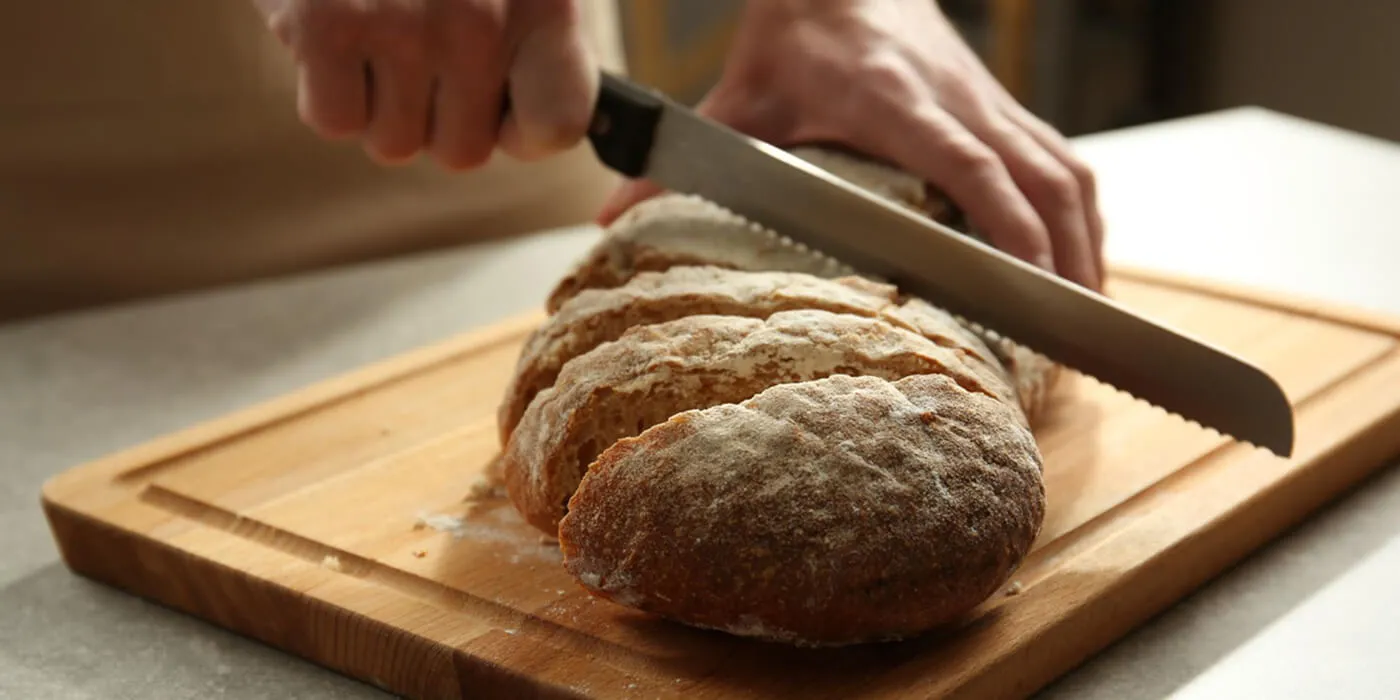
Our no-nonsense guide to your first sourdough loaf
The recipe we hand to friends who want to start baking. No special equipment, no jargon, just the method we've used for a decade, scaled down for a home oven.
Read more →

Some news we've been sitting on. A new spot, the same starter, and what it means for your morning loaf.
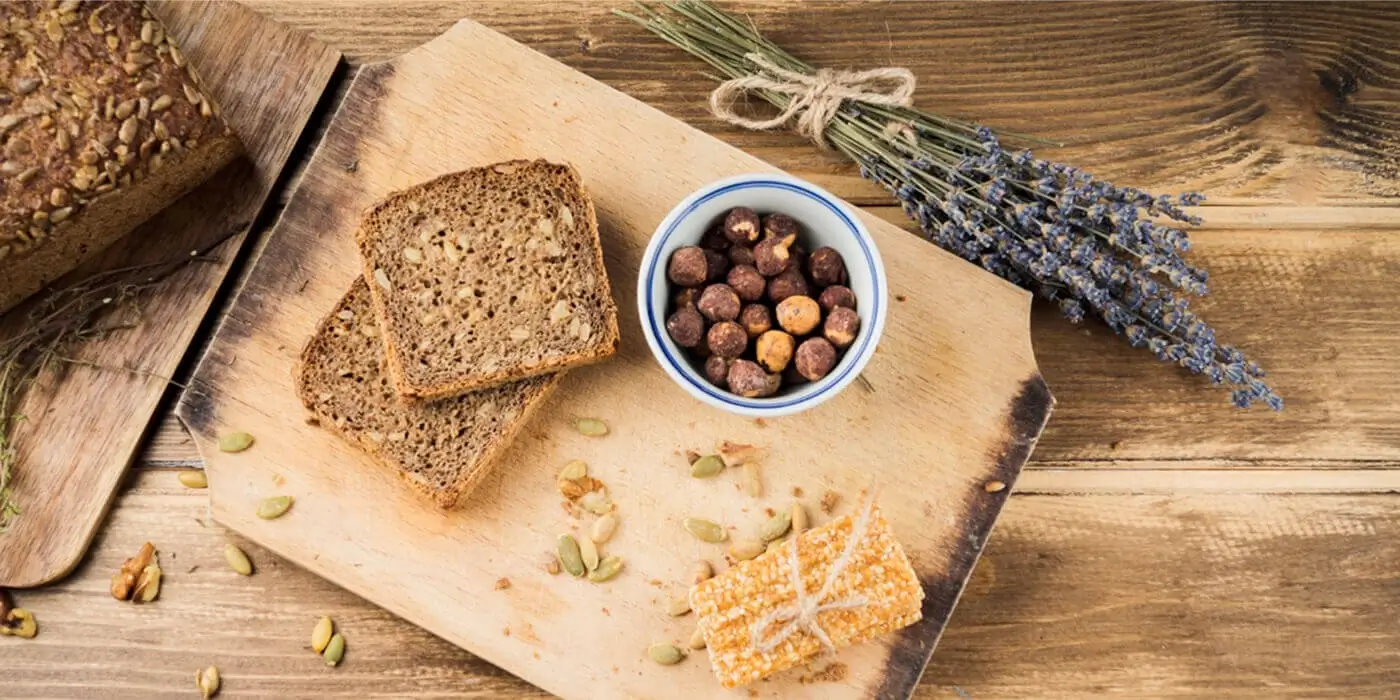
Rye flour brings a completely different character to bread. It produces a rich, earthy flavour, keeps loaves moist for longer, and creates a tender crumb that pairs beautifully with both sweet and savoury toppings.
For beginners, blending rye with strong white bread flour makes the dough easier to handle while still delivering the distinctive flavour rye is known for.
Rye dough feels stickier than traditional bread dough. Avoid adding too much extra flour, as this can make the loaf dry and dense.
Allow enough time for fermentation. Rye develops its best flavour slowly, and rushing the process often leads to a heavy loaf.
Seeded rye is incredibly versatile. Enjoy it toasted with salted butter, topped with smashed avocado, layered with smoked salmon and cream cheese, or simply paired with a bowl of homemade soup.
Its rich flavour also makes it an excellent base for open-faced sandwiches and breakfast spreads.
If your loaf feels dense, it probably needed a longer proof or a more active starter. Give the dough extra fermentation time on your next bake.
If the crust becomes too dark before the centre is fully baked, reduce the oven temperature slightly during the final stage and bake a few minutes longer.
Like every sourdough recipe, rye rewards patience. Every loaf teaches you something new, and even imperfect bread is still worth sharing around the table.