Sep 24, 2026
What 4 AM actually looks like at Ovenly
A shift-by-shift walk through the hours before you're even awake, from firing the oven to the first loaf out.
Read more →

The recipe we hand to friends who want to start baking. No special equipment, no jargon, just the method we've used for a decade, scaled down for a home oven.
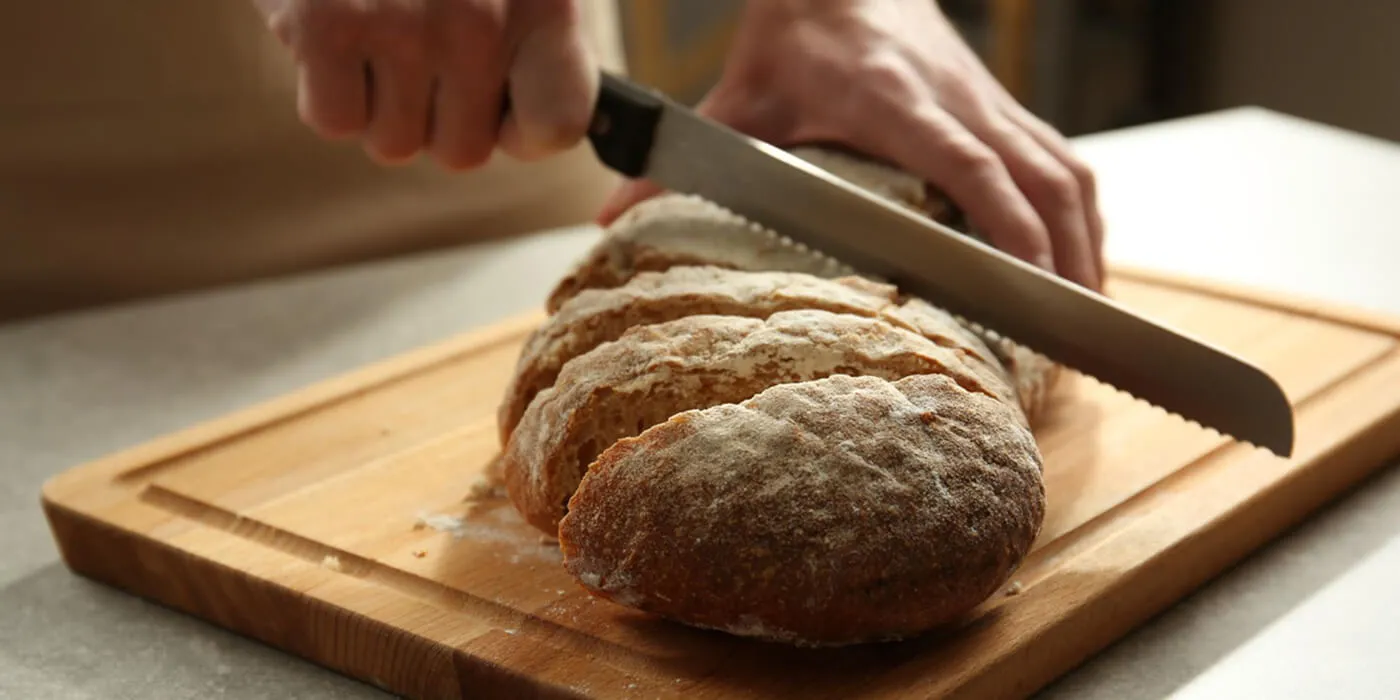
People are scared of sourdough, and I understand why. Every recipe online reads like a chemistry exam. So here's the version we actually hand to friends, stripped of the fear and most of the jargon.
You need four things: flour, water, salt, and an active starter. That's it. If you don't have a starter yet, ask a baker you like, most of us are happy to share a spoonful. Or make your own over a week or two, which is a story for another post.
The single biggest lesson I can give you is this: good bread is mostly waiting. The work with your hands takes maybe twenty minutes total. The rest is the dough doing its slow thing while you get on with your life.
"You are not kneading this dough into submission. You're just giving it time and getting out of the way."
Your starter should be bubbly and active, fed four to twelve hours before you begin. Drop a spoonful in water; if it floats, you're good to go. If it sinks, feed it again and wait. This one check saves more first loaves than any other tip I know.
Weigh everything. Cups lie, scales don't. A cheap kitchen scale is the best few dollars you'll spend on baking, and once you switch you'll never go back to guessing.
Your first loaf might be flat, or dense, or dark in odd places. Mine was. That's not failure, that's the tuition. Take a photo, note what you did, and change one thing next time. Baking is a conversation with your kitchen, and it takes a few tries to learn its accent.
When you're ready for a denser, more forgiving second loaf, read our honest guide to seeded rye. And if you'd rather skip the wait entirely, well, you know where to find us most mornings.